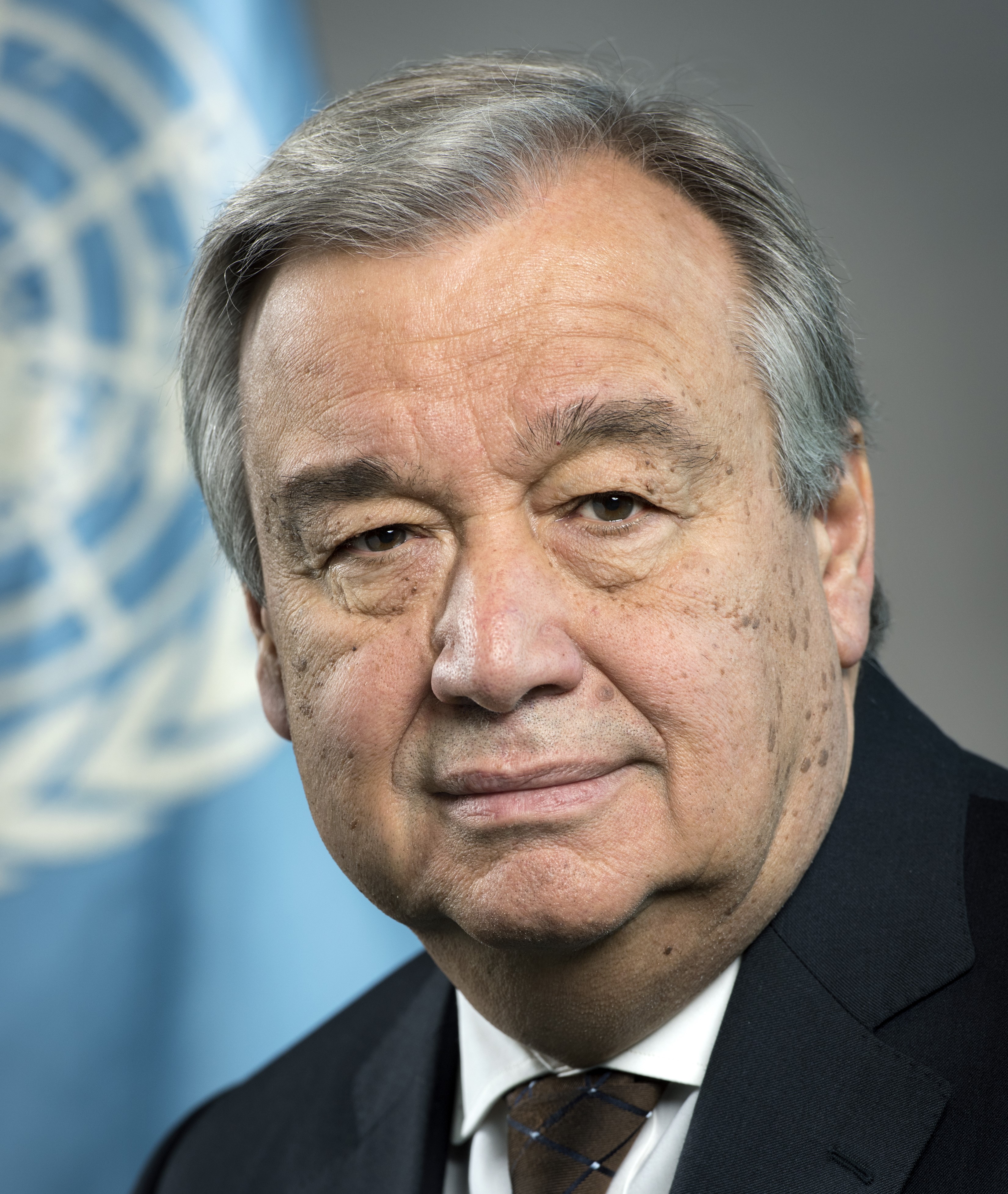
The planet’s forests are home to some 80 per cent of all terrestrial wild species. They help regulate the climate and support the livelihoods of hundreds of millions of people.
Some 90 per cent of the world’s poorest people are dependent in some way on forest resources. This is particularly true for indigenous communities that live in or near forests.
Some 28 per cent of the world’s land is managed by indigenous communities, including some of the most intact forests on the planet. They provide livelihoods and cultural identity.
The unsustainable exploitation of forests harms these communities and contributes to biodiversity loss and climate disruption.
Every year, we lose 4.7 million hectares of forests – an area larger than Denmark.
Unsustainable agriculture is a major cause. So is global timber trafficking, which accounts for up to 90 per cent of tropical deforestation in some countries. It also attracts the world’s biggest organized crime groups.
The illegal trade in wild animal species is another threat, increasing the risks of zoonotic diseases, such as Ebola and COVID-19.
So, on this year’s World Wildlife Day, I urge governments, businesses and people everywhere to scale up efforts to conserve forests and forest species, and... See more
"Forests and livelihoods: Sustaining People and Planet" is the theme for World Wildlife Day, celebrated each year on 3rd March to commemorate the signing of the Convention on International Trade in Endangered Species of Wild Fauna and Flora (CITES) in 1973.
Distinguished Participants,
Our forests, forest species and ecosystems services play an irreplaceable role in sustaining the livelihoods of hundreds of millions of people globally.
The theme of this year’s World Wildlife Day – “Forests and Livelihoods: Sustaining People and Planet” – highlights the central role that forests and forest species play for both the ecological health and functioning of our planet as well as in supporting the lives and livelihoods of people around the world.
Forest ecosystems are the place we find most of the Earth’s terrestrial biodiversity, including many unique species. Because forests and trees provide food, materials and so much for people across seasons and years, they also play a crucial role in preventing the poor from sinking even deeper into poverty. In fact, more than 25 per cent of the world’s population rely on forest resources for their livelihoods.
Hello, my name is Nemonte Nenquimo, I’m a Waorani woman and leader of my people in Pastaza, Ecuador.
The theme of this year’s World Wildlife Day could not be more appropriate. The profound link between human wellbeing and nature has been the way of life for Indigenous cultures around the world and forests and trees are central to this link.
Ladies and gentlemen,